
A pescatarian diet includes fish and seafood but excludes other types of meat, such as beef, pork, and poultry. Some pescatarians also eat eggs and dairy products, while others follow a diet that is almost entirely plant-based aside from the addition of seafood.
Because fish provides protein, vitamin B12, omega-3 fatty acids, and several minerals that can be harder to obtain from a strictly vegetarian or vegan diet, pescatarians do not automatically need to take supplements. However, simply eating fish occasionally does not guarantee that every nutritional need is being met.
The nutrients you receive from a pescatarian diet will depend on the types of seafood you eat, how frequently you eat it, whether you consume eggs and dairy, and what the rest of your diet looks like. Someone who regularly eats salmon, sardines, eggs, Greek yogurt, vegetables, beans, and whole grains will have a very different nutritional intake from someone who mostly eats pasta, meatless frozen foods, and an occasional tuna sandwich.
Before buying supplements, it is worth looking at the foods you eat and determining whether there are meaningful gaps. Blood testing may also be appropriate when a deficiency is suspected, particularly for nutrients such as iron, vitamin B12, and vitamin D.
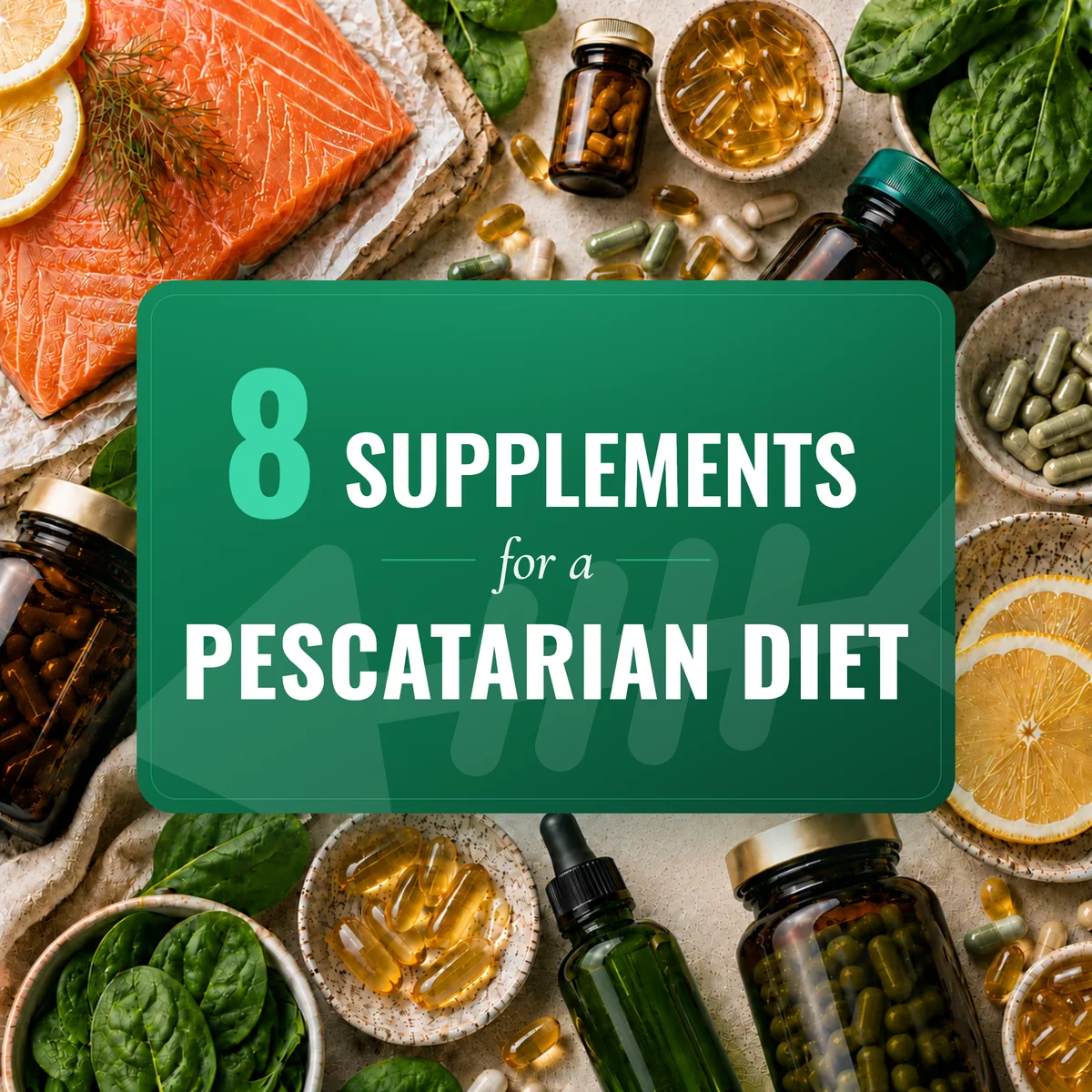
Continue reading “Do Pescatarians Need Supplements? 8 Nutrients to Consider”